


To know more about
- Furnishing Package
30 Apr 2026
- Beah Beltejar
How is Furnishing for a Long Let Different from Furnishing for a Short Let in Dubai?
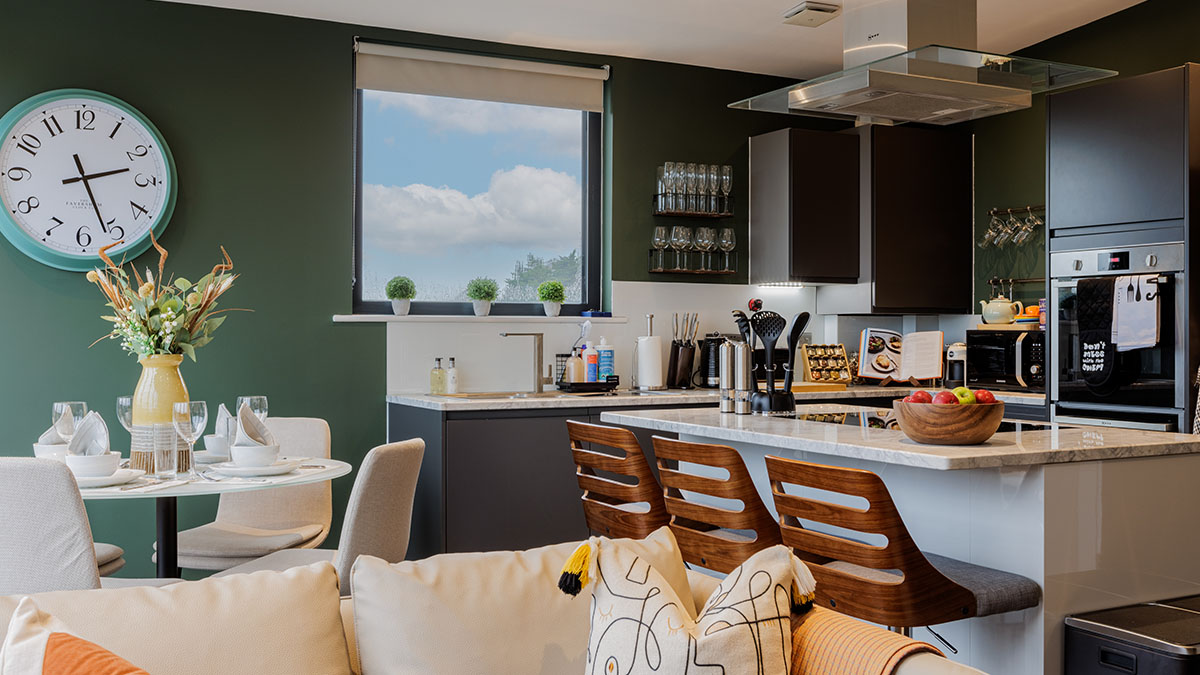
Key Takeaways:
- Long lets need durable, practical furnishing designed for everyday living and lower ongoing management.
- Short lets need fully equipped, guest-ready setups designed for listings, reviews, and fast turnover.
- In Dubai, short lets must also meet DET holiday-home requirements including permits, guest registration, QR-code display, and other operational standards.
If you own property in Dubai and want to rent it out, your first decision is whether to choose a long or short let. While most landlords spend a lot of time considering which strategy makes more financial sense, fewer take the time to think about how to bring that decision to life and make it profitable through strategic furnishing choices.
Preparing a property is not about picking furniture but making practical decisions based on your property’s end usage. A long-let setup and a short-let setup serve completely different purposes, and getting this wrong can cost you time, money, and occupancy.
Short-term rental properties in Dubai fall under the holiday home regulatory framework, overseen by the Department of Economy and Tourism (DET). This means your property does not just need to look appealing to guests. It needs to meet a set of technical standards and operational requirements before it can legally operate.
In this blog, we break down what is the difference between long let and short let in Dubai and how to furnish based on what you actually want your property to do.
Long Let vs Short Let in Dubai: What Changes in the Furnishing Setup?
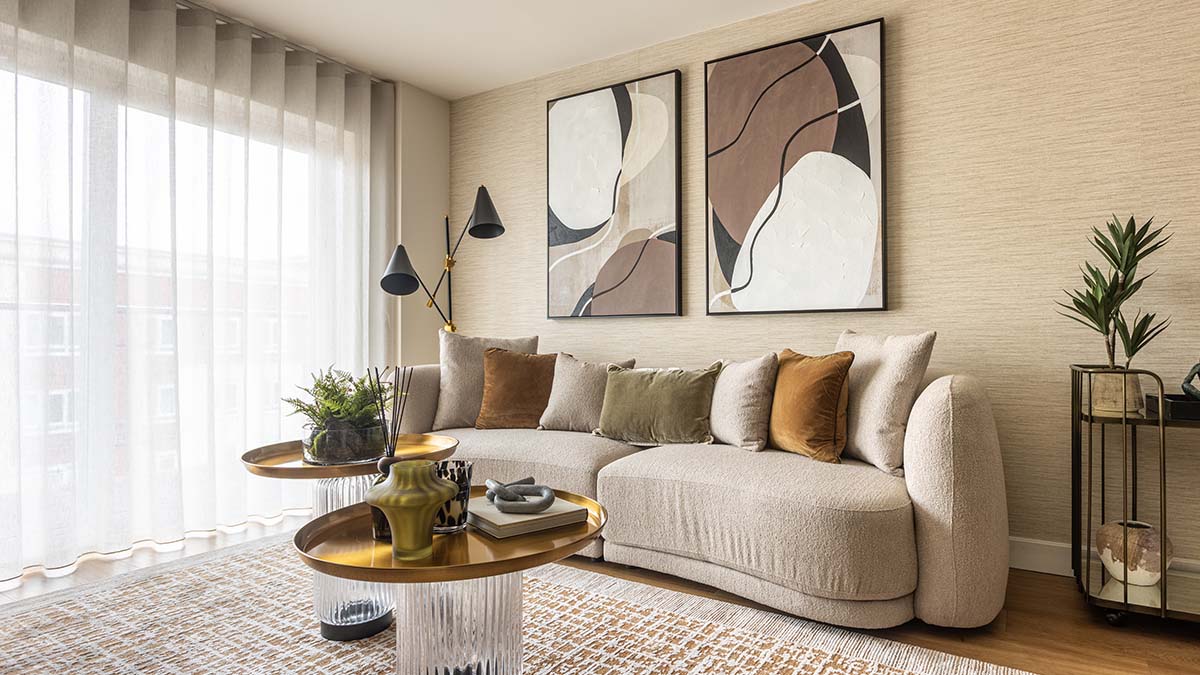
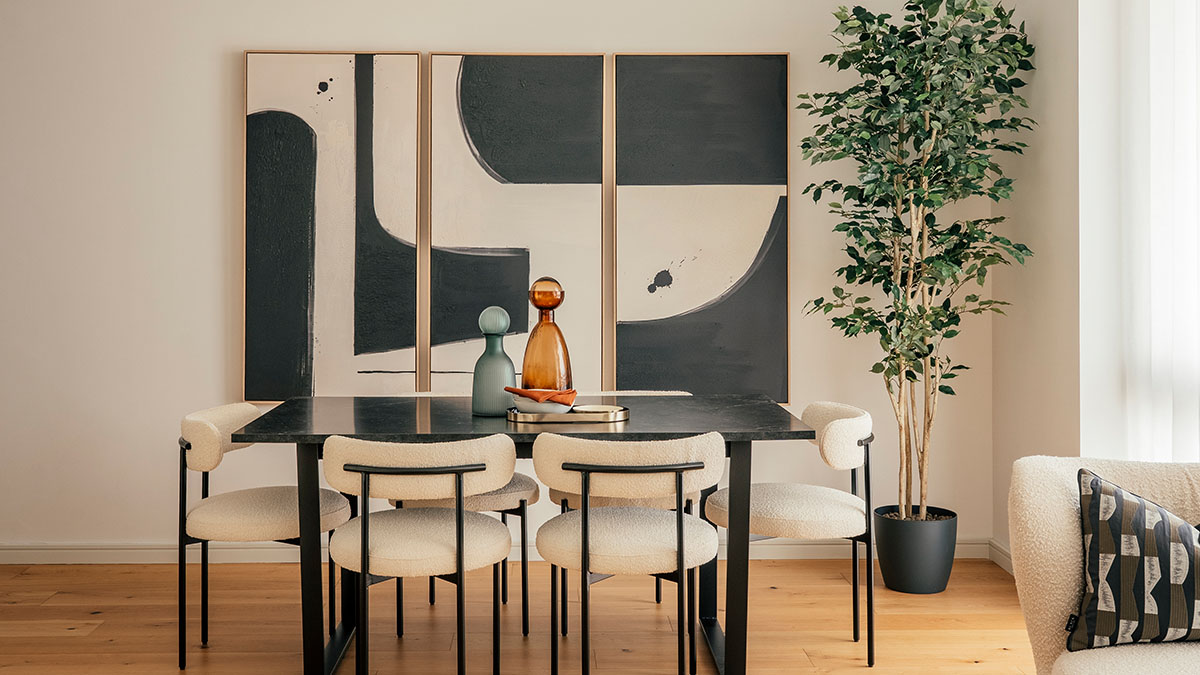
At its core the difference between short let vs long let in Dubai is the tenancy terms and how the property is prepared. A long let is a residential tenancy, usually for one year or more. As a landlord, you should prepare a long-term rental to provide long-term comfort and stability as a base to live from.
Short-term rentals are designed for weekend guests, business travellers, holidaymakers, or temporary residents. The unit needs to function like a self-contained living space with every necessity provided for, from the moment they check in.
In Dubai, the difference also extends into regulation, as short-let properties operate under DET's holiday home framework, which means they require a licence, a permit per unit, inspections, and compliance with a detailed list of specifications before they can take guests. Long-let properties are governed by RERA's standard tenancy rules, which are less prescriptive about furnishing.
What Does a Long-Let Property Usually Need?
|
Category |
Long-let |
Short-let |
|
Furnishing |
Practical and essential. Focuses on durable day-to-day items. |
Fully equipped and guest-ready from day one. Every item matters. |
|
Visual appeal |
Comfortable and functional. Listing should help visualise living long-term. |
High visual presentation. Listings should represent guest comfort and be thumb-stopping for quick impact. |
Soft furnishings & decor |
Only functional and minimal, as tenants often personalise the space themselves. |
Cushions, throws, artwork, and accessories are expected for a better experience |
|
Setups for kitchen and bedding |
Core appliances and basic cookware. Basic bedding and towels (or you can skip) as landlords provide for themselves. |
Full cookware, tableware, and appliances per DET specifications. Multiple bedding sets and towels required. Frequent laundering between stays. |
|
Smart lock requirement |
Not required under long-let rules. |
Mandatory. Must be SIRA-approved and connected to the Keyless system. |
|
QR code display |
Not applicable. |
Required by DET. Displayed beneath the DEWA plaque on the unit door. |
|
Insurance |
Landlord's insurance. |
Comprehensive guest insurance policy required throughout the licence period. Loss of rent insurance. Vandalism and theft protection. Etc. (Kindly refer to official sources for more details.) |
|
Maintenance frequency |
Annual or biannual checks are ideal. |
Properties must be cleaned and checked between every stay. |
|
Guest/tenant check-in |
RERA/Ejari |
Recorded on the DET Holiday Homes 2.0 system within 3 hours of arrival. |
|
Ideal for |
Investors wanting stable, lower-touch income. |
Investors seeking flexibility, higher nightly rates, and short-stay demand. |
What Are the Current Dubai Holiday Home Rules for Short Lets?
Yes, Dubai short-let properties must be within the DET holiday home framework. This applies whether you are listing on Airbnb or any other platform. Operating without a proper licence or permit is a violation that can result in penalties and fines, costing from AED 10,000 to AED 100,000 for non-compliance, according to Hostaway.
Licensing and Permits:
Every landlord or operator must be registered in the DET Holiday Homes System and hold a valid licence. Each unit also requires its own individual permit from DET. Individual owners can hold a maximum of 8 property permits at one time. If you want to manage more units, a company licence is required.
Inspections and Classification:
Units are inspected by DET against a detailed specification checklist before a permit is granted. Properties are classified as either Standard or Deluxe based on what they include.
Smart Locks:
All holiday homes must have a SIRA-approved smart lock installed on the main entry door, connected to the Keyless system. This is a mandatory requirement across all property types and classifications.
QR Code Display:
Each unit must display a DET-issued QR code on the exterior of the unit door, positioned beneath the DEWA premise plaque. The code must be printed clearly and displayed in full visibility on the unit door. Guests, neighbours, and building management can scan it to submit feedback or complaints directly to DET.
Insurance:
A comprehensive insurance policy from a Dubai-licensed insurer must be in place for the full duration of the licence period. This policy must cover any damage sustained by guests.
Tourism Dirham:
Guests staying in a licensed holiday home are charged a Tourism Dirham fee per bedroom per night. Operators are responsible for collecting and remitting this fee monthly and non-compliance may lead to penalties.
On-Site Information Requirements:
The DET specification also requires that every unit contains a visible information board showing the licensee's details, classification, permit number, and DET contact numbers. A visitor guide covering building services, local facilities, and unit contents must also be provided. Emergency procedures in Arabic and English must be displayed, along with 24-hour contact numbers for assistance and maintenance.
These are not optional extras. They are baseline requirements, and they affect how you need to think about setting up and furnishing the property from the start.
For more detailed information, visit the Dubai Economy and Tourism official website.
How Do Tenant Expectations Differ from Guest Expectations?
Long-let tenants are looking for long-term comfort to make the space their home for a long time. While short-let tenants look for immediate gratification and a superb experience, it starts from the moment they look at the property listing.
For long-let landlords, the priority is providing a home that a good tenant wants to stay in long-term. For short-let landlords, the priority is delivering a consistent, polished experience that generates strong reviews and repeat bookings.
Which Option Needs More Maintenance and Replenishment?
As high-traffic properties, short lets require frequent maintenance instances after every checkout. Complete cleaning including a linen change, restocking of bathroom and kitchen consumables, and a check that nothing is broken or missing. Short-let investors and landlords should also check furniture wear and tear, soft furnishings, chipped or stained surfaces and smaller items.
This means short-let landlords need to think about furnishing choices with durability and replaceability in mind. Having a clear inventory and on-ground furnishing partner makes operations smoother.
Compared to this, long lets require less maintenance, but typically annual checks are important to ensure furniture wear and tear, leakages, damp surfaces, and outdated paint jobs are up-to-date and ready for the market.
Does the Furnishing Budget Need to Be Different?
For the long-term property, invest in durable, practical pieces for the main living areas and bedrooms, keep the accessories minimal, and hold back some budget for end-of-tenancy refreshes. While in short-term rentals, you can furnish to a specification that covers every room in detail, and you also need to account for items that are specific to the holiday home framework, including compliance-aligned items.
The key is to plan your furnishing budget around your rental model from the outset, rather than trying to retrofit a long-let setup into a short-let context later. The two approaches are different enough that taking shortcuts tends to show.
Which Rental Strategy Suits Different Investors?
Long lets suit better for:
- Overseas investors who want lower maintenance.
- Stable and predictable income.
- Minimal involvement in everyday operations of property.
Short lets suit better for:
- Landlords with property in high-demand tourist areas
- Comfortable with the additional regulatory requirements and operational involvement.
- Landlords seeking additional income/higher yields during holiday seasons

In Conclusion
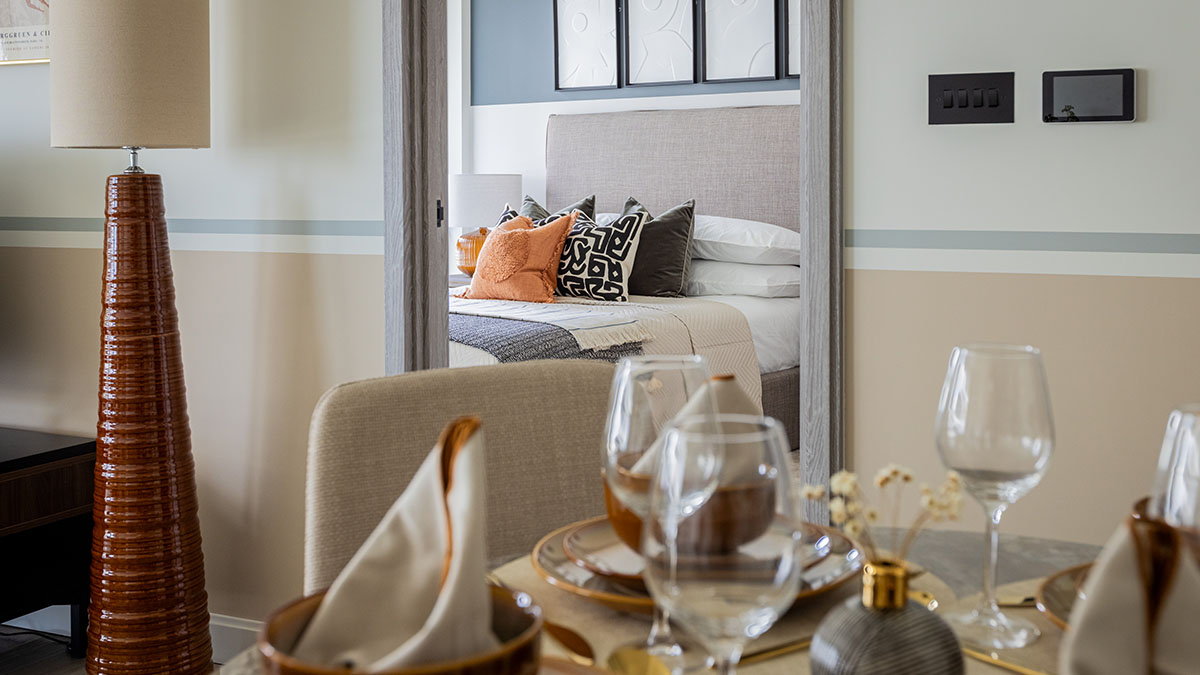
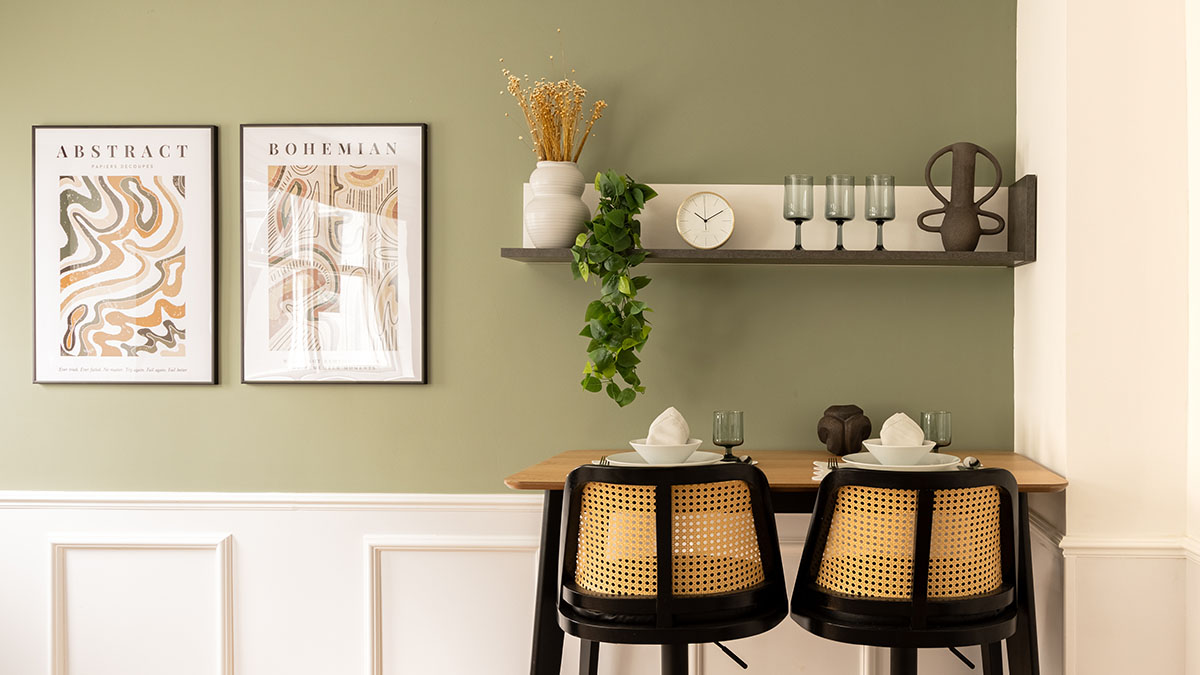
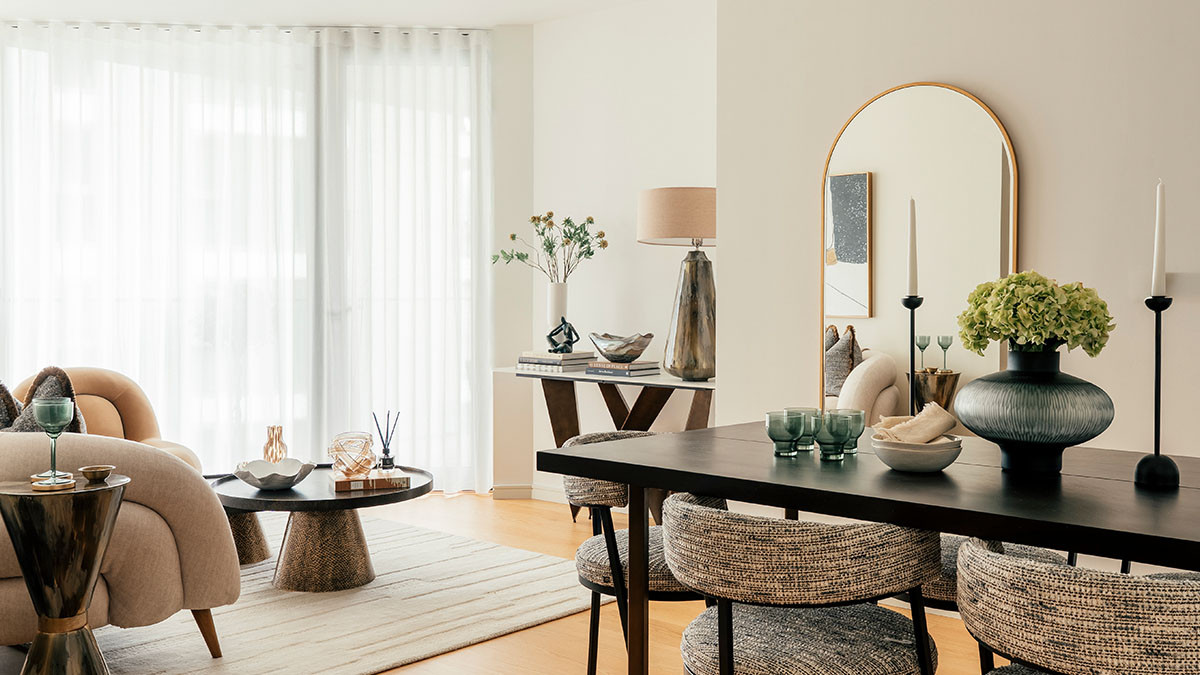
Furnishing a rental property in Dubai is a strategic decision, not just a styling exercise. The rental model you choose shapes everything from what furniture you buy to how you maintain it, what compliance items you need in place, and how you present the property to tenants or guests.
Long lets call for a practical, durable setup that supports comfortable day-to-day living over a sustained period. Short lets require a more complete, hospitality-led approach that also meets the technical and regulatory standards set out by Dubai's Department of Economy and Tourism.
Getting the furnishing strategy right from the start means an easier operating journey, better tenant and guest satisfaction and a strong rental performance from day one.
Whether you are setting up a long-let or a short-let, speak to our team and see how our comprehensive furnishing solutions help your property perform.
FAQs
A long let is a standard residential tenancy, usually for one year or more, governed by RERA. A short let is a short-stay rental of less than a year, governed by DET's holiday home framework, which requires a licence, a unit permit, inspections, and compliance with detailed technical specifications.
Yes. DET’s Leasing Out Holiday Homes User Guide issues lists of furnishing items that must be present in holiday homes.
Yes. Holiday homes or short-term rentals are highly successful in Dubai. Properties in prime locations like Downtown Dubai, Dubai Marina, and Palm Jumeirah get premium yields.
Landlords must register in the DET Holiday Homes System, a licence is necessary for each unit. Operators must install a SIRA-approved smart lock, display a DET QR code on the unit door, carry a comprehensive insurance policy, collect and remit Tourism Dirham fees, and maintain a 24-hour contact number for guests. Individual owners can hold a maximum of eight permits.

Team Operations Coordinator
Author: Beah Beltejar
Beah comes from a strong architectural background, having grown up around her family’s construction business in the Philippines. With experience in architectural drafting, property management, and furnishing homes across London and Dubai, she brings a practical, detail-led approach to design and project delivery. Her two years of experience working in Dubai have contributed to her skills in property management, where she oversaw more than 40 properties in London and Dubai, as well as in furnishing selected homes. Guided by values of craftsmanship and resilience, she creates functional, culturally informed interiors.
Read more